It is worth remembering that AI replaces the ENTIRE image, even if you ask it to change only one thing. That’s why every single person in the image looks different.
You werent talking about any specific system at all until that user mentioned Affinity. I think you’re moving the goal posts here as youre now trying to frame the discussion as if you were talking about some other yet unnamed system the whole time when your original comment mentioned nothing of the sort.
If that is in fact how the system in question works.
We know that’s how the system works by the fact…
We know how THIS system works - but…
They cast doubt, I point out proof, they deflect to other systems they might be right about. Sounds like they moved the goalposts to me. I don’t need to know which system it is to know it does what we can see it do.
It is worth remembering that AI replaces the ENTIRE image, even if you ask it to change only one thing.
This is what they replied to. You made a blanket statement about using AI to edit photos not anything about any particular program or system. Furthermore, you can’t know which system was used here as you dont know whether all these changes were intentionally done or simply a byproduct of using something that changes the entire image.
As someone else pointed out, there are systems where you can isolate and replace only a portion of the image while leaving the rest unchanged, but you’re correct in this case, as you point out in your last sentence.
This sort of system takes the input image which it blurs and adds noise, and then regenerates from that rather than an initial pure-noise seed. You can mask or add more noise to the areas that you want and more dramatic change. Whole image-to-image diffusion; mostly uses the same mechanisms as a regular text-to-image diffusion.


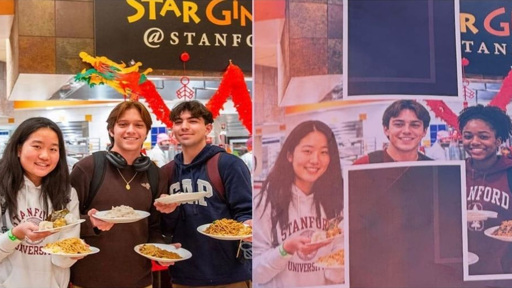
It is worth remembering that AI replaces the ENTIRE image, even if you ask it to change only one thing. That’s why every single person in the image looks different.
The Asian girl and the white dude both got mildly more attractive. But Billy got that glow up!
If that is in fact how the system in question works. There are systems which allow you to edit regions, like Affinity
We know that’s how the system works by the fact that every single person in the image looks different.
We know how THIS system works - but Affinity is just one example of how you can modify an area with AI, not just the whole image.
Are you asserting how every piece of software works, based on a single image example? Because that’s wildly incorrect.
We aren’t talking about other systems. Don’t move the goalposts.
You werent talking about any specific system at all until that user mentioned Affinity. I think you’re moving the goal posts here as youre now trying to frame the discussion as if you were talking about some other yet unnamed system the whole time when your original comment mentioned nothing of the sort.
They cast doubt, I point out proof, they deflect to other systems they might be right about. Sounds like they moved the goalposts to me. I don’t need to know which system it is to know it does what we can see it do.
This is what they replied to. You made a blanket statement about using AI to edit photos not anything about any particular program or system. Furthermore, you can’t know which system was used here as you dont know whether all these changes were intentionally done or simply a byproduct of using something that changes the entire image.
As a neutral observer, you clearly and unambiguously moved the goalpost.
As someone else pointed out, there are systems where you can isolate and replace only a portion of the image while leaving the rest unchanged, but you’re correct in this case, as you point out in your last sentence.
This sort of system takes the input image which it blurs and adds noise, and then regenerates from that rather than an initial pure-noise seed. You can mask or add more noise to the areas that you want and more dramatic change. Whole image-to-image diffusion; mostly uses the same mechanisms as a regular text-to-image diffusion.